
Canadian Canoe Museum
The Canadian Canoe Museum | Peterborough, Ontario
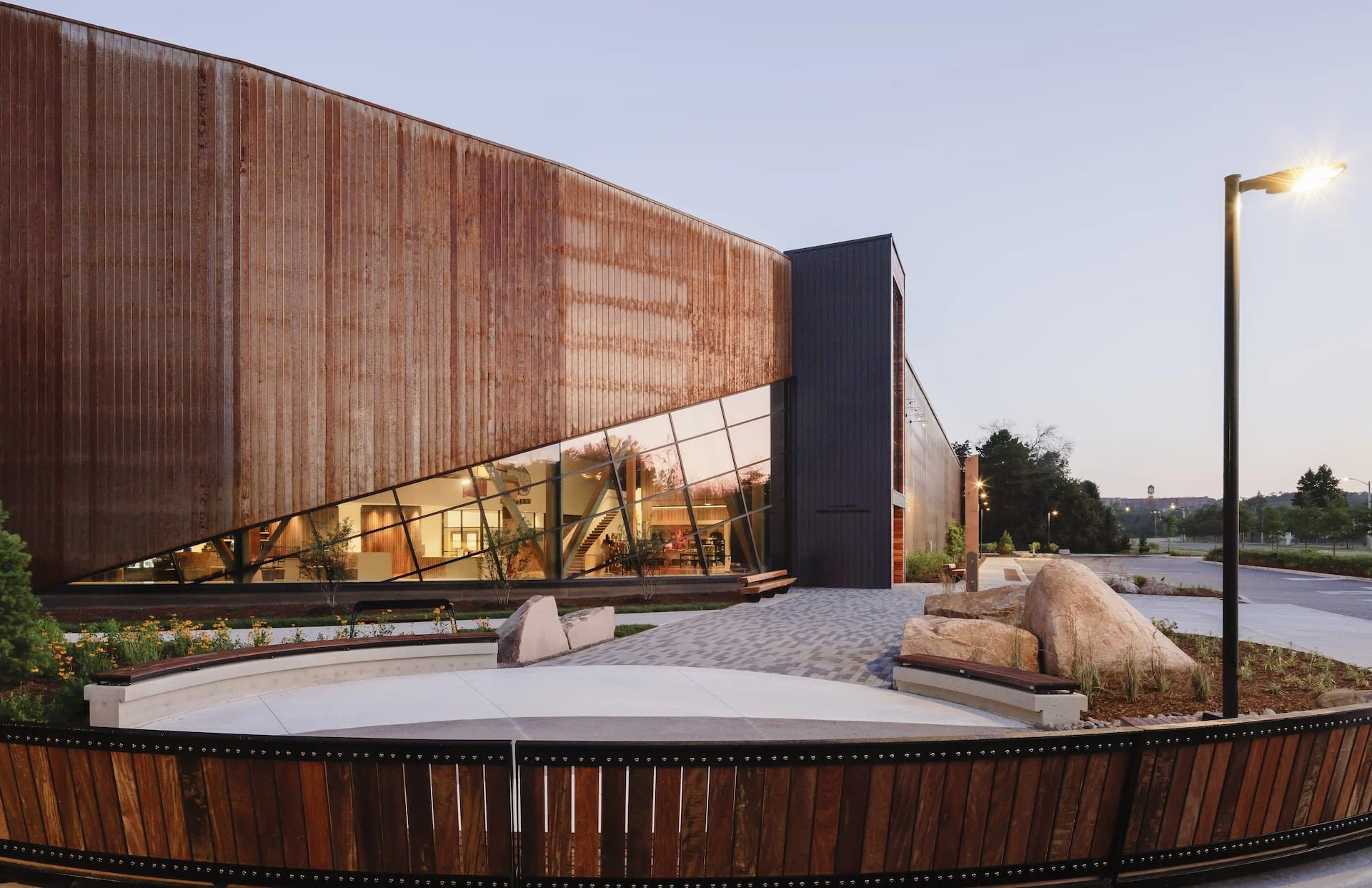
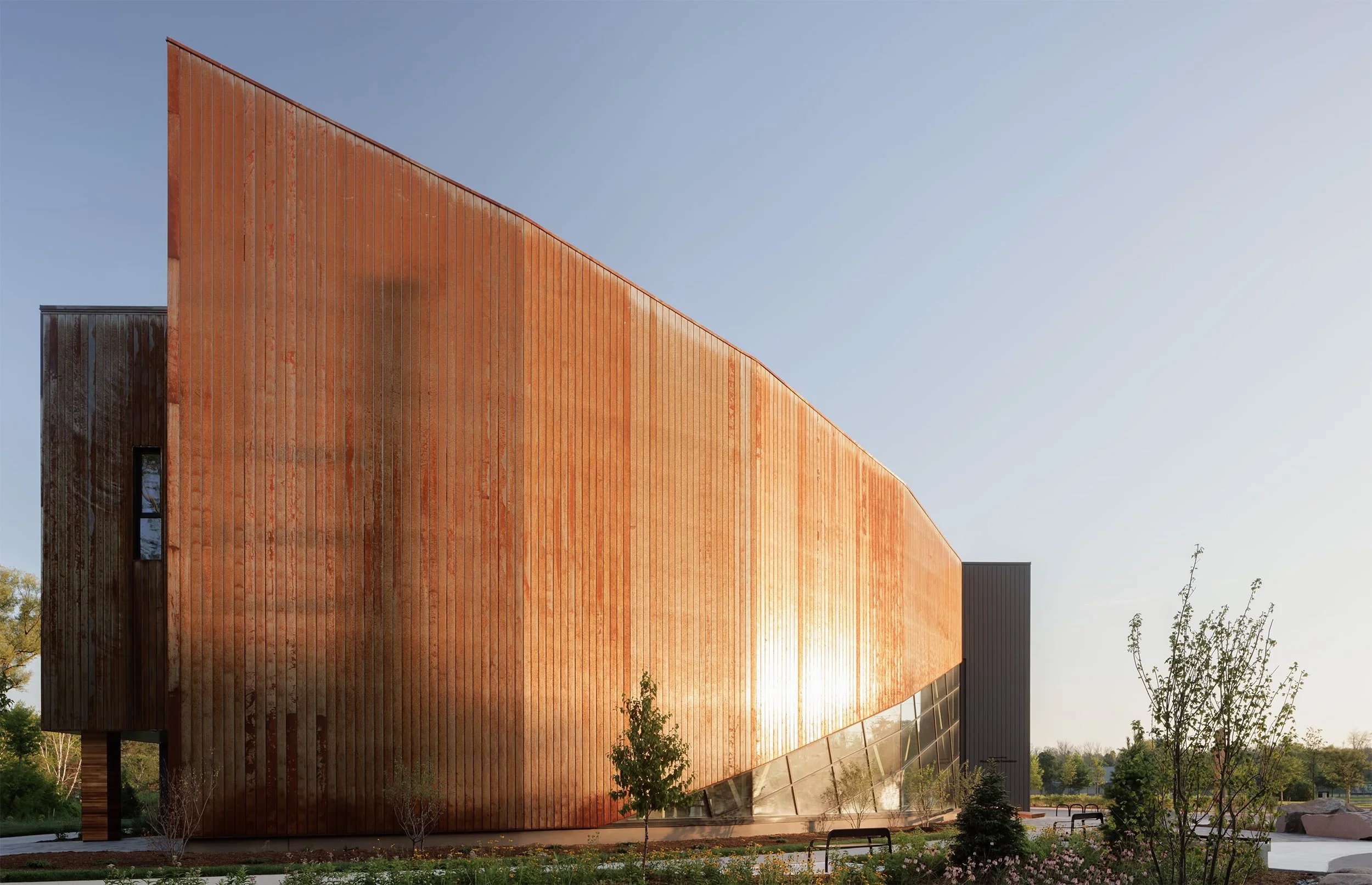
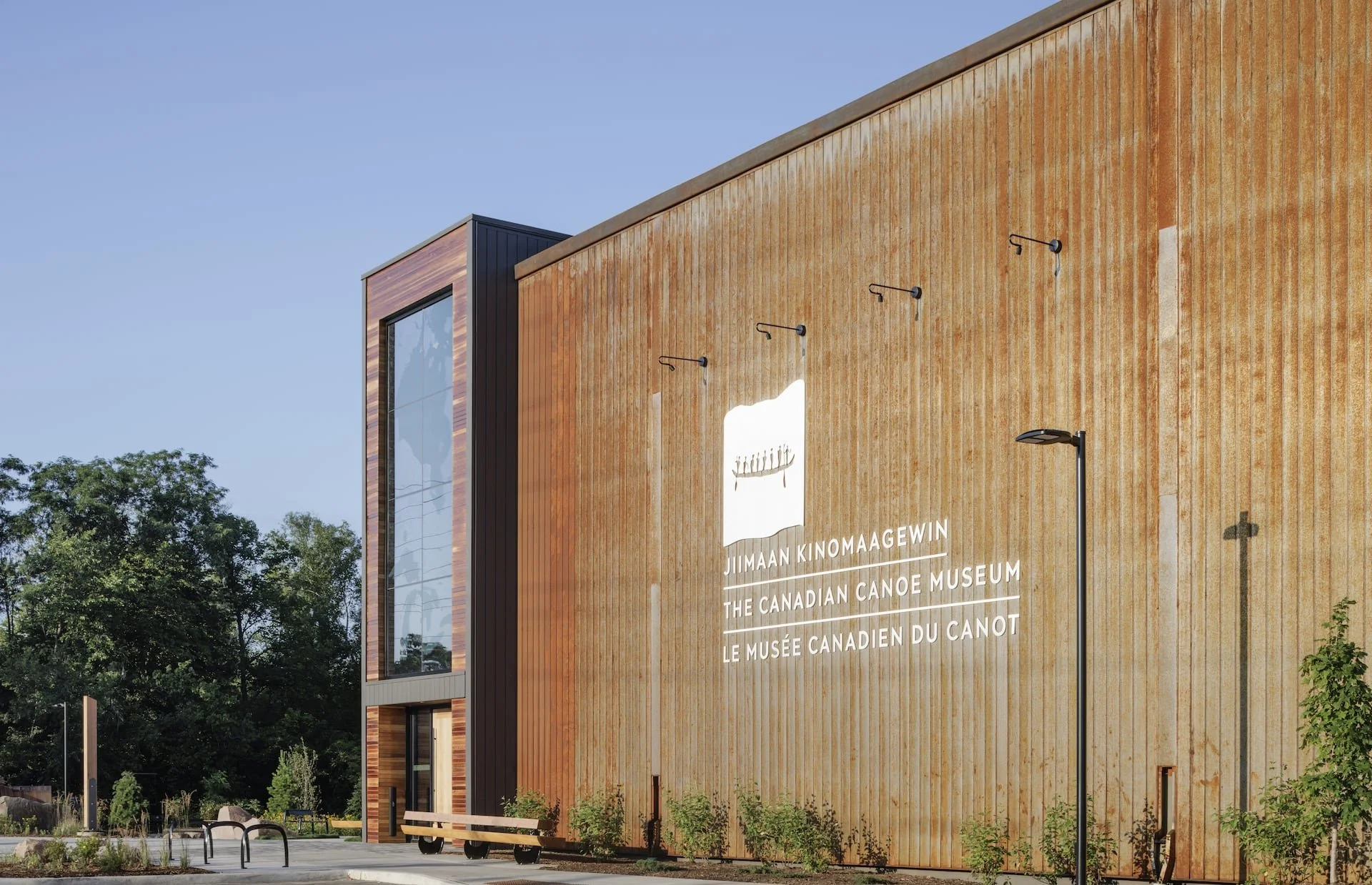
The Canadian Canoe Museum gives the world’s largest and most significant collection of canoes, kayaks and paddled watercraft a home. The building is shaped by the same qualities embodied in the objects themselves: craft, material efficiency, movement and connection to water.
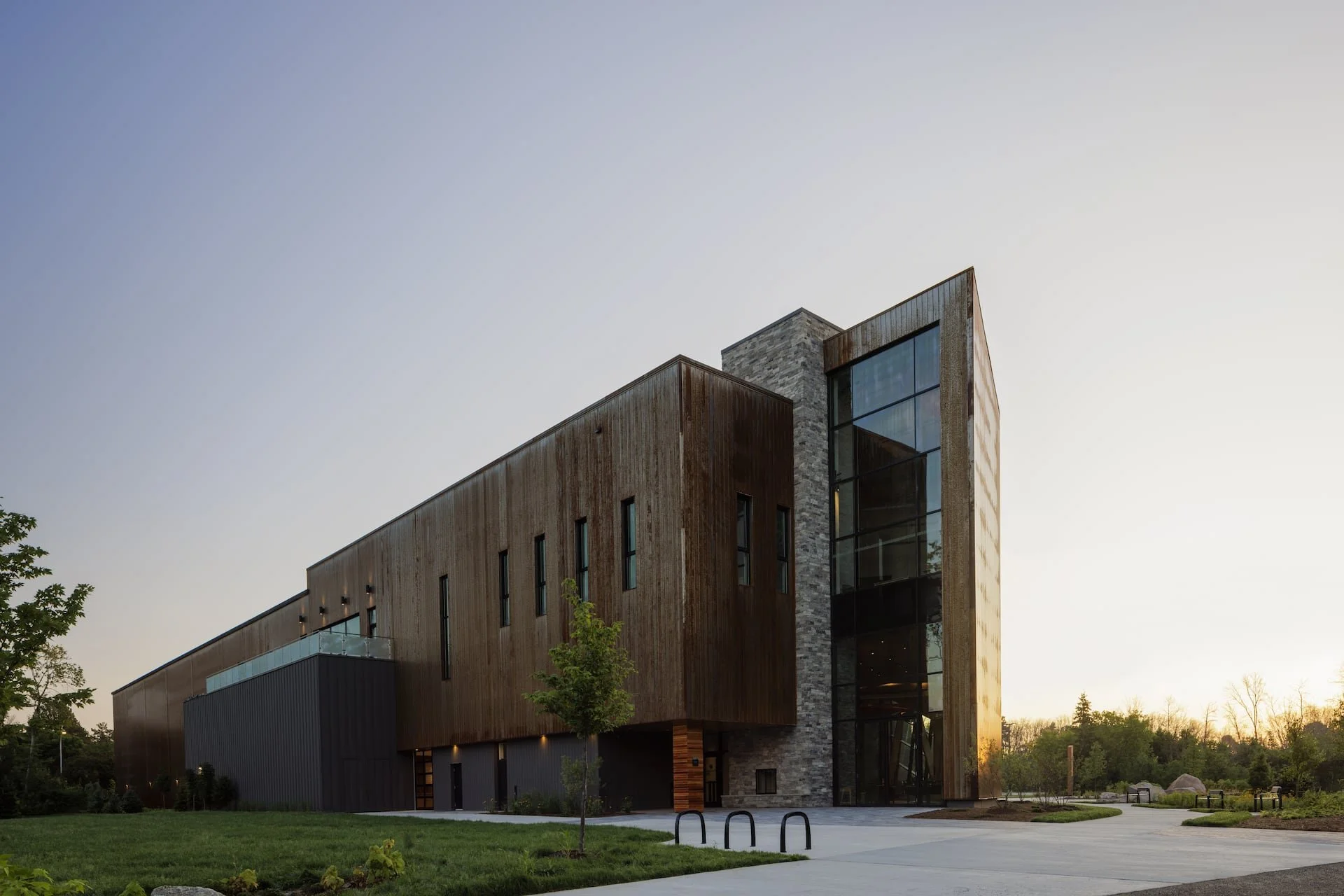
Set on the shore of Little Lake, the 65,000-square-foot museum brings collection, exhibition, learning, gathering and on-water programming together within a building conceived as both cultural repository and public place.
Shaped by the canoe
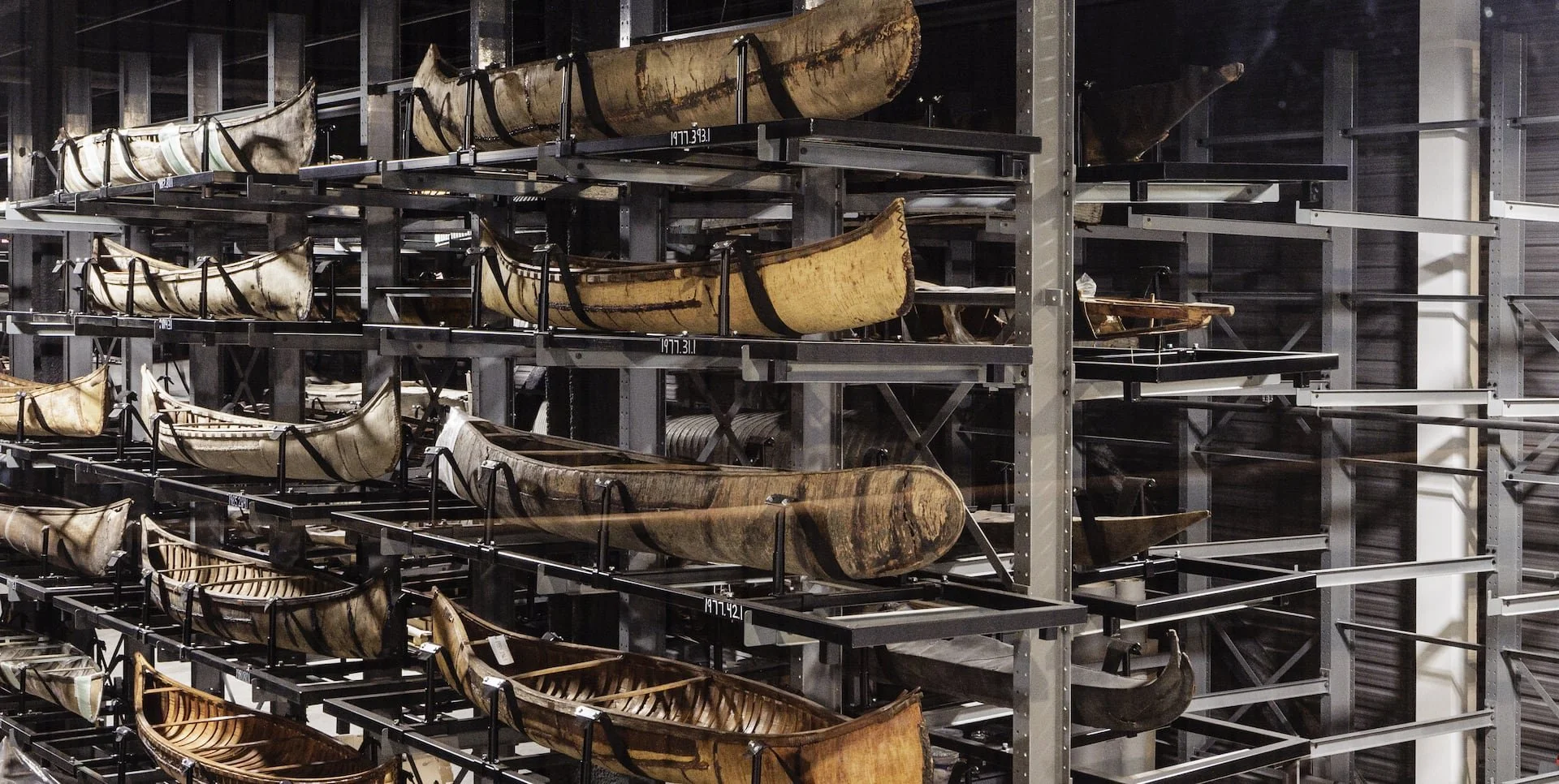
The Museum houses the world’s largest collection of canoes, kayaks and paddled watercraft, with more than 600 vessels brought together in a purpose-built facility for the first time.
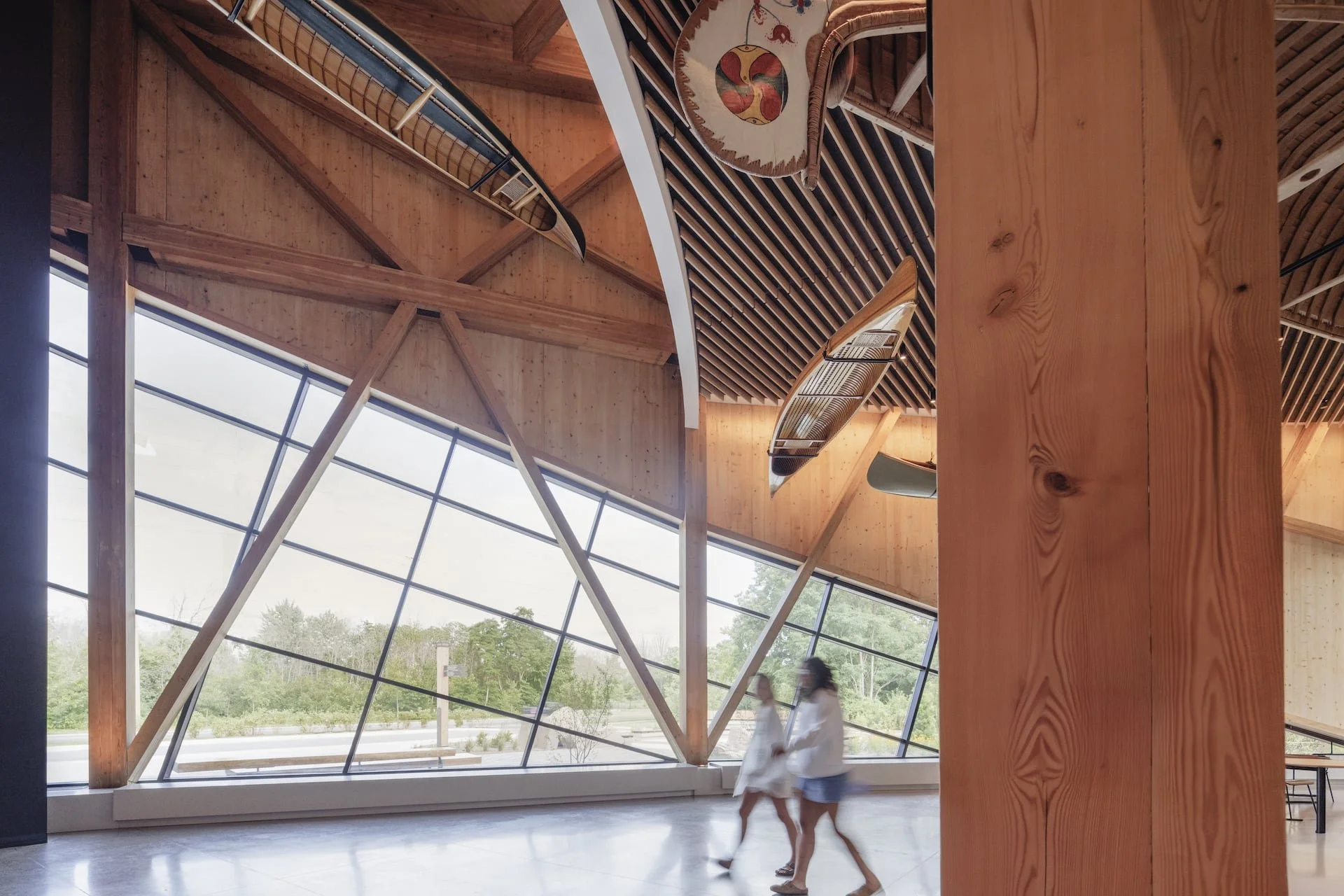
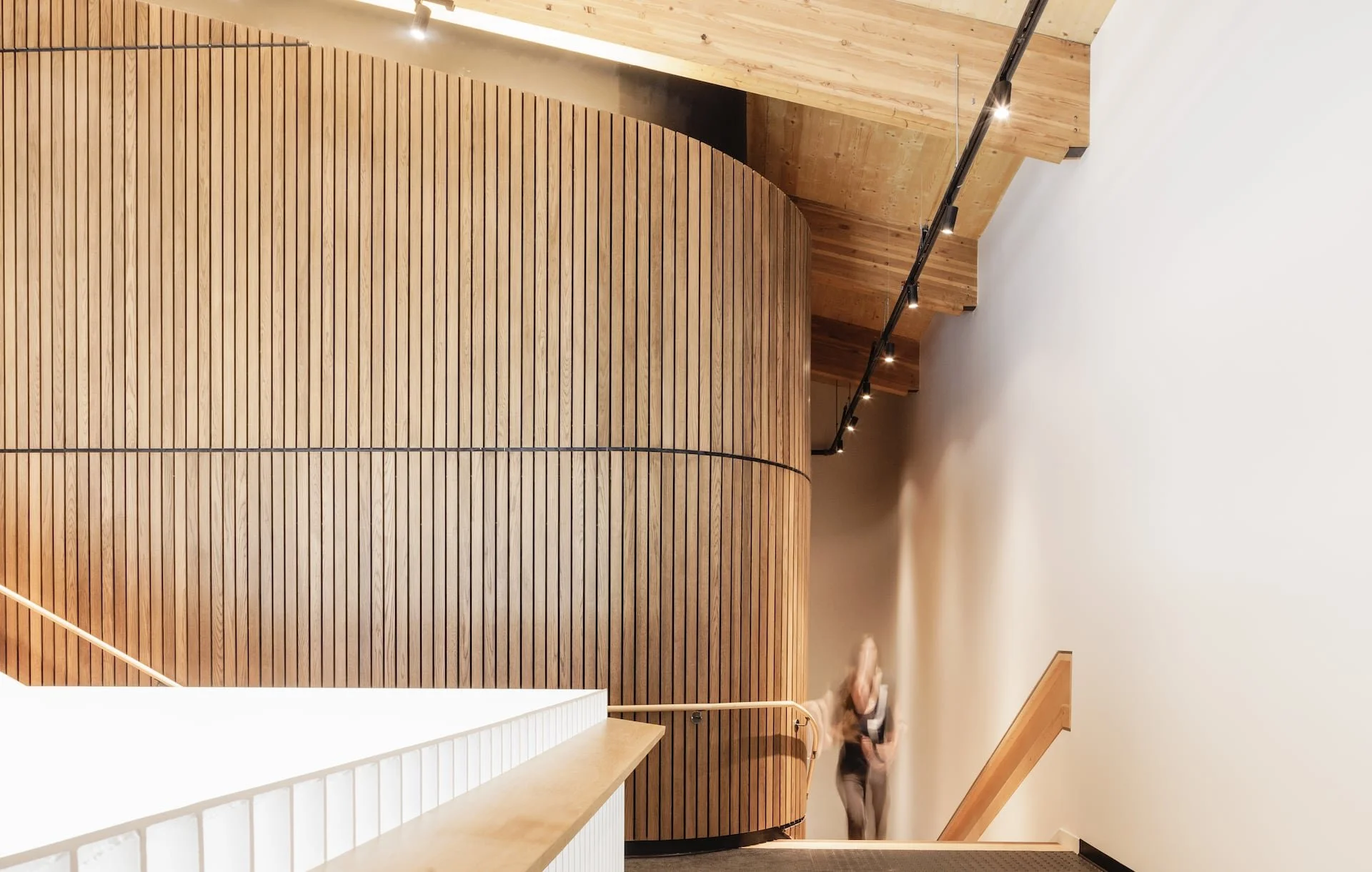
The architecture takes its cues from the collection without becoming literal. Mass timber structure, restrained materials and carefully composed geometries echo the logic of canoe construction: lightness, strength and economy of means.
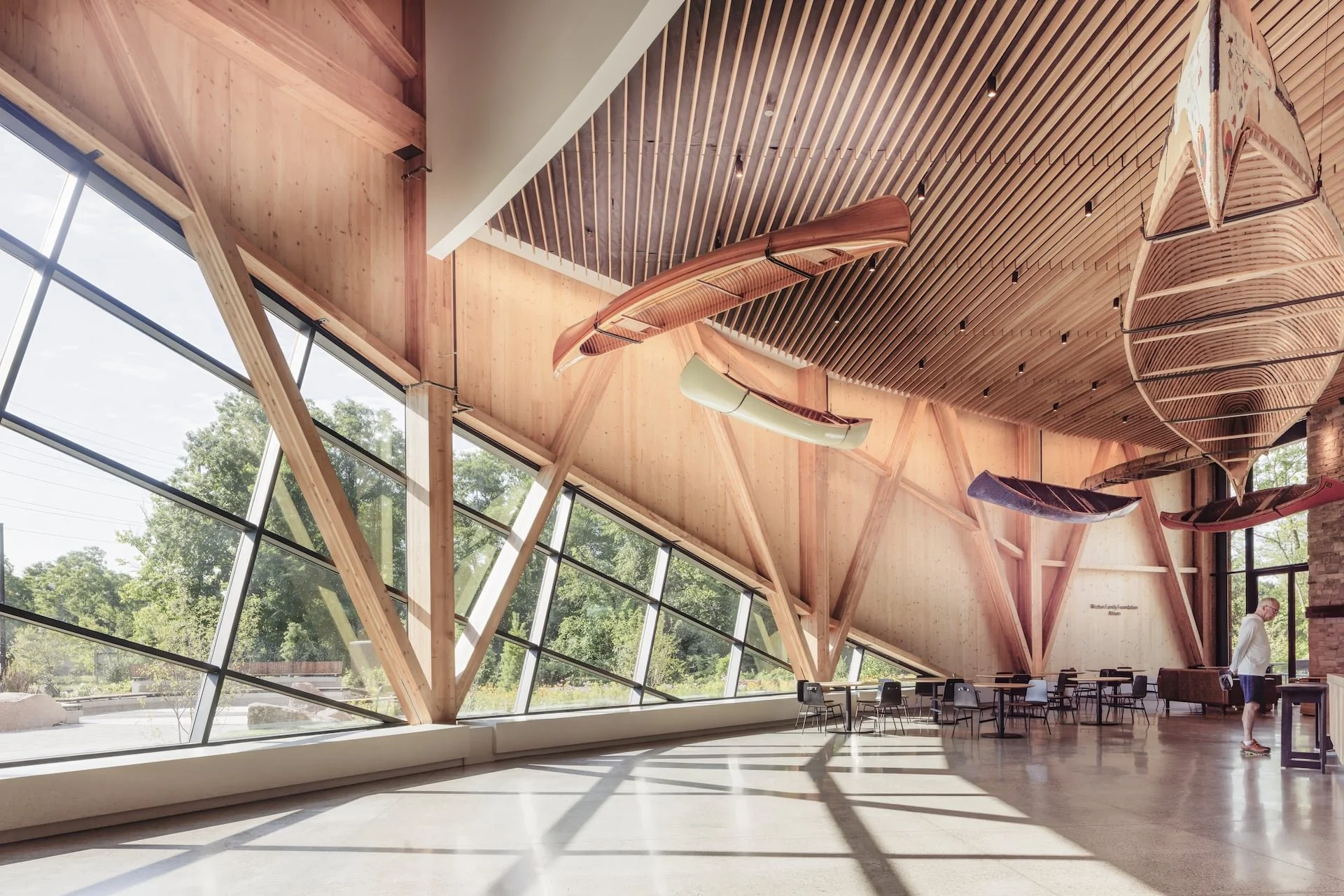
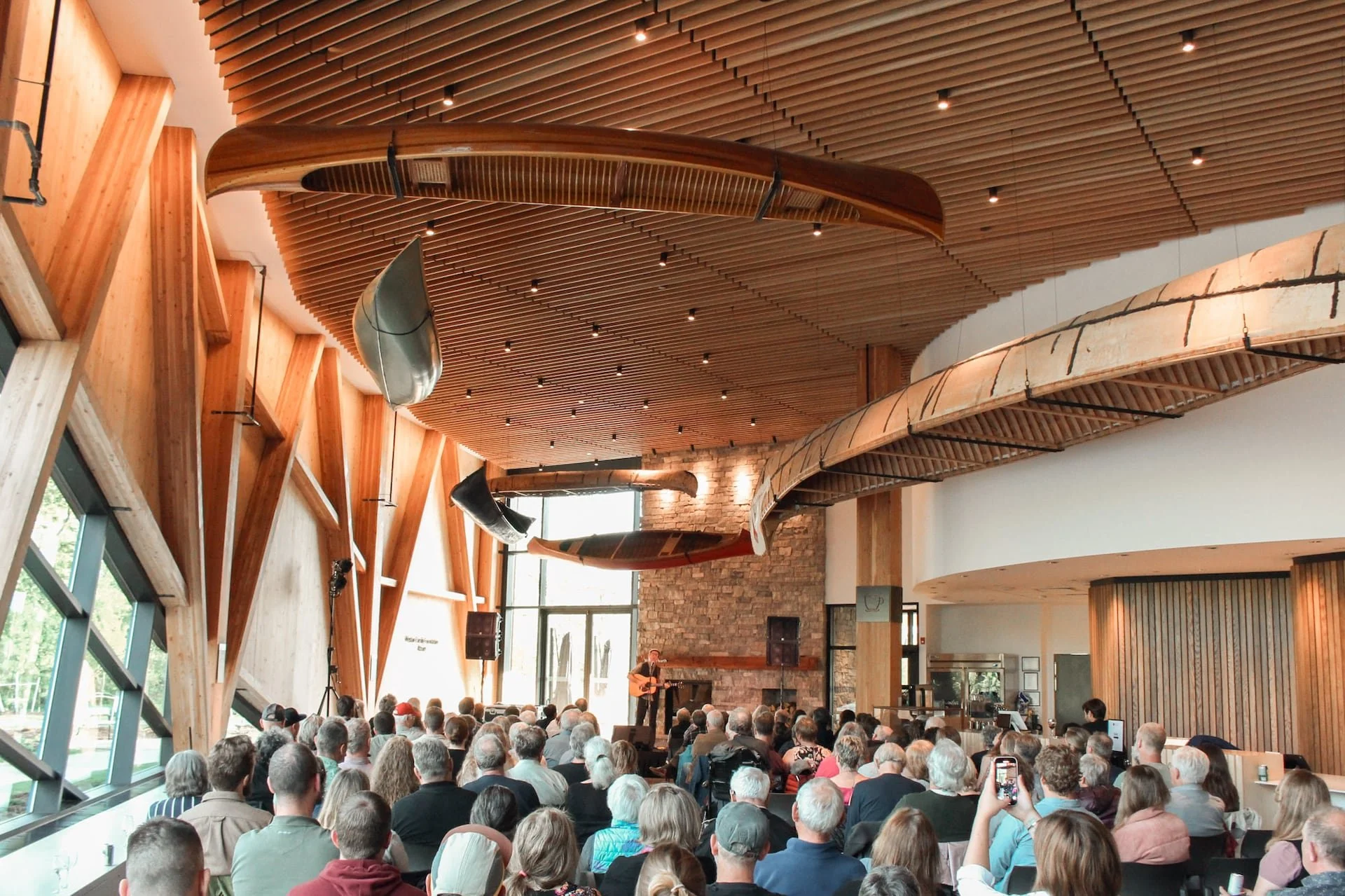
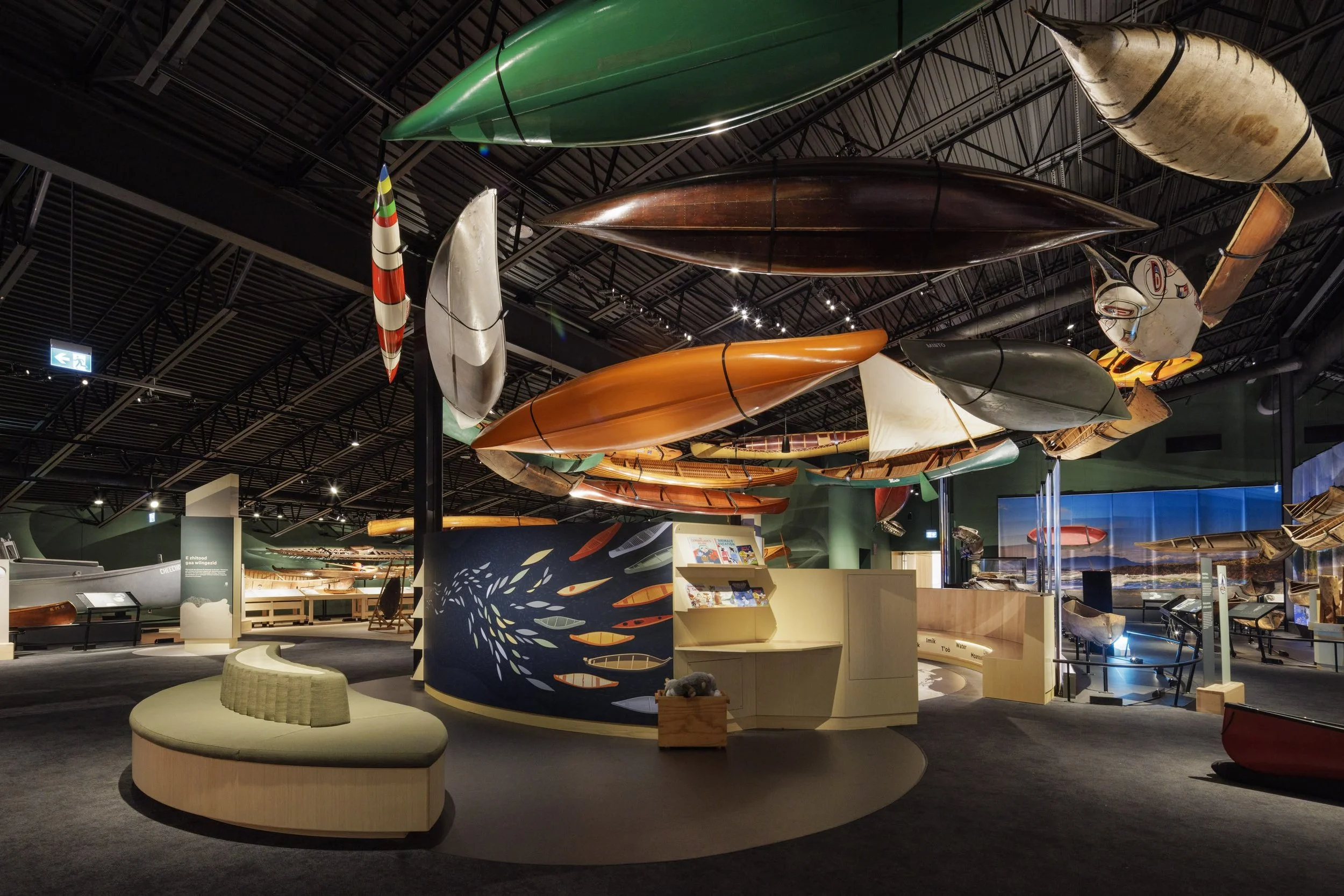
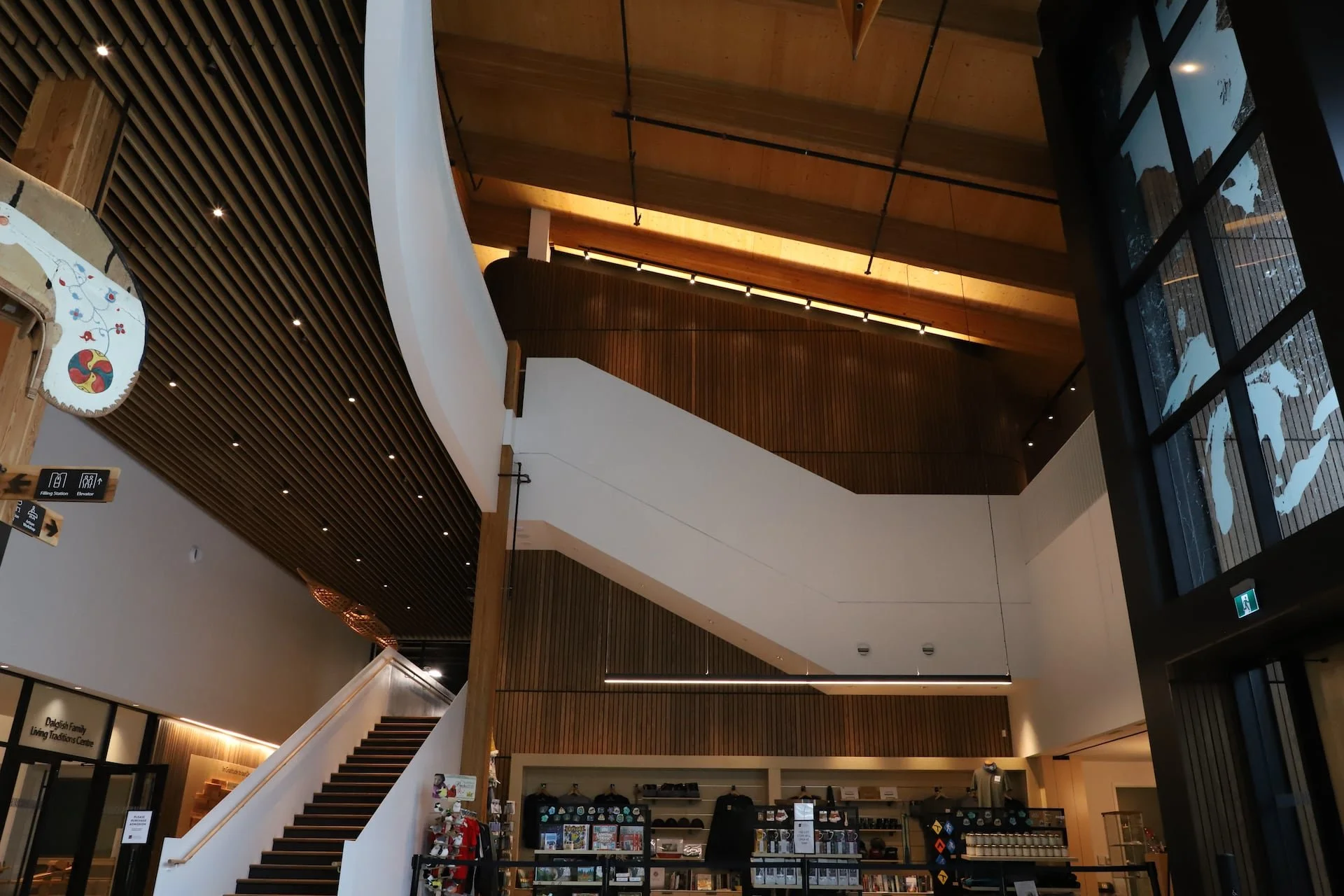
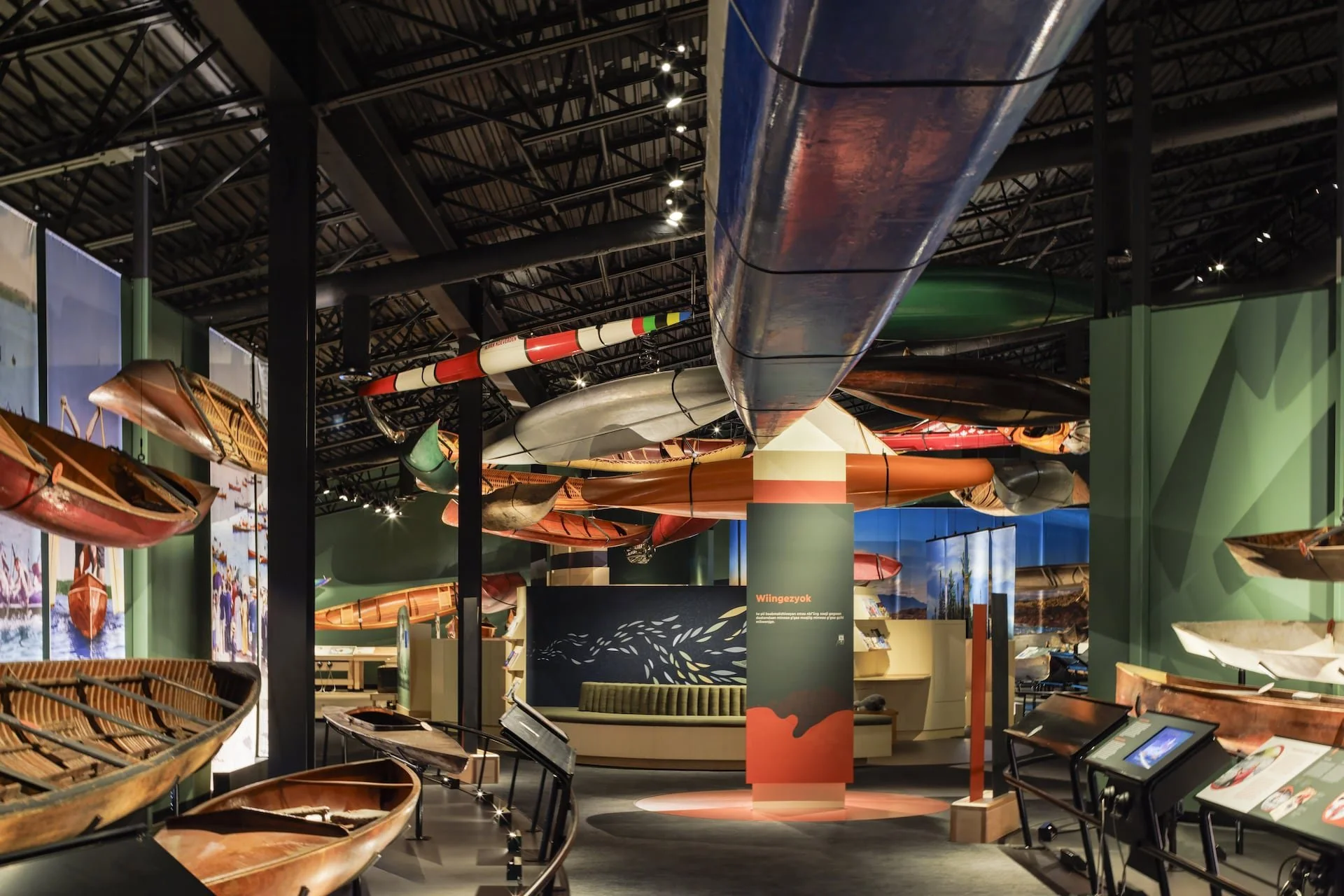
That relationship is most evident in the main gathering space. Douglas fir glulam framing and cross-laminated timber panels give the room a warm structural rhythm, while suspended watercraft occupy the volume overhead. Expansive glazing opens the space toward Little Lake, and a tall stone hearth gives it weight and permanence.
The building does not imitate the canoe. Instead, it draws from the intelligence of its construction and the elegance of its form.
A journey through the collection
Movement is central to the experience of the Museum.
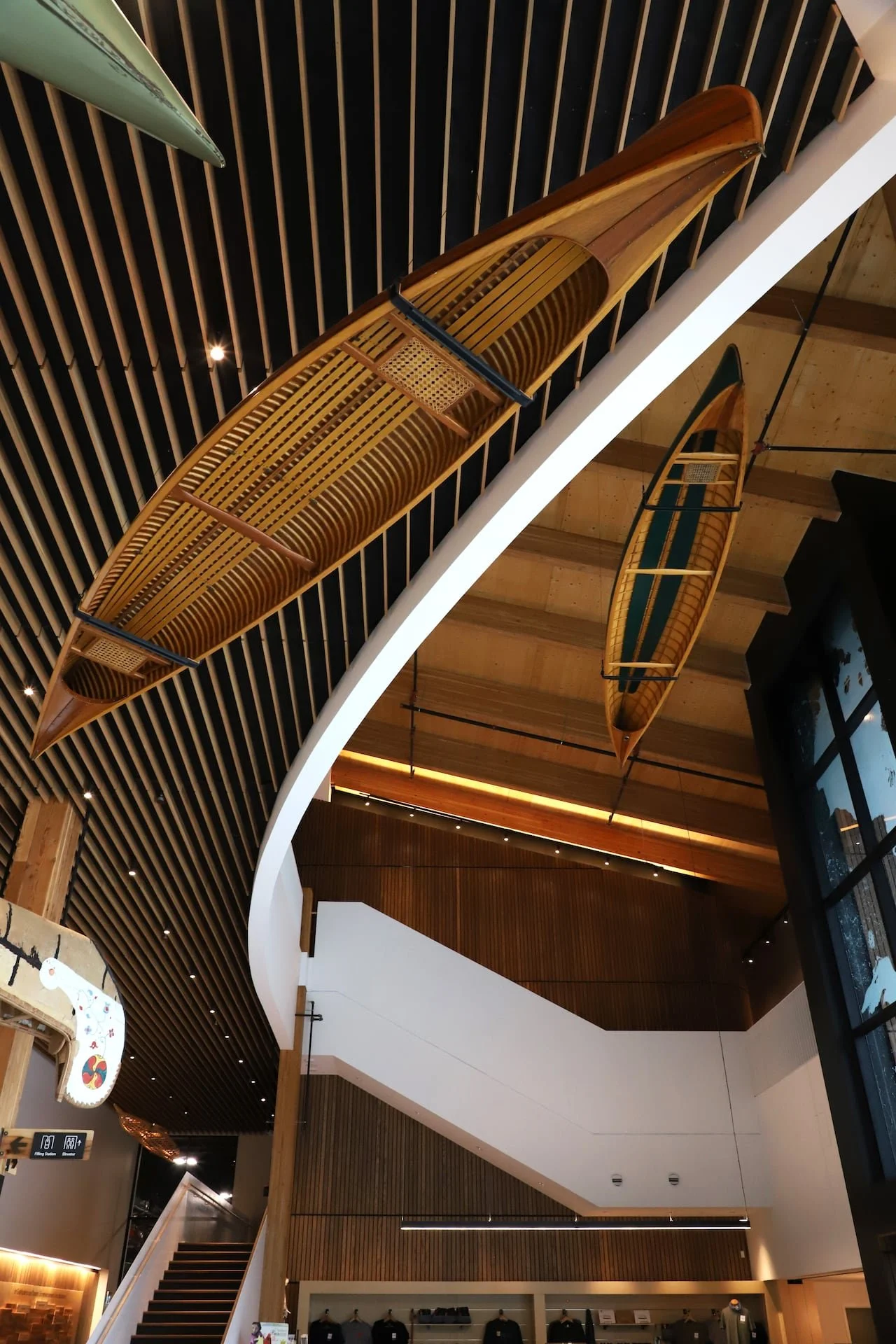
From the entry hall, a spiralling promenade rises toward the exhibition level, wrapping around a central service core and opening changing views into the Collection Hall below. Visitors encounter the watercraft from different heights and angles, moving alongside timber surfaces and beneath suspended canoes before reaching the galleries above.
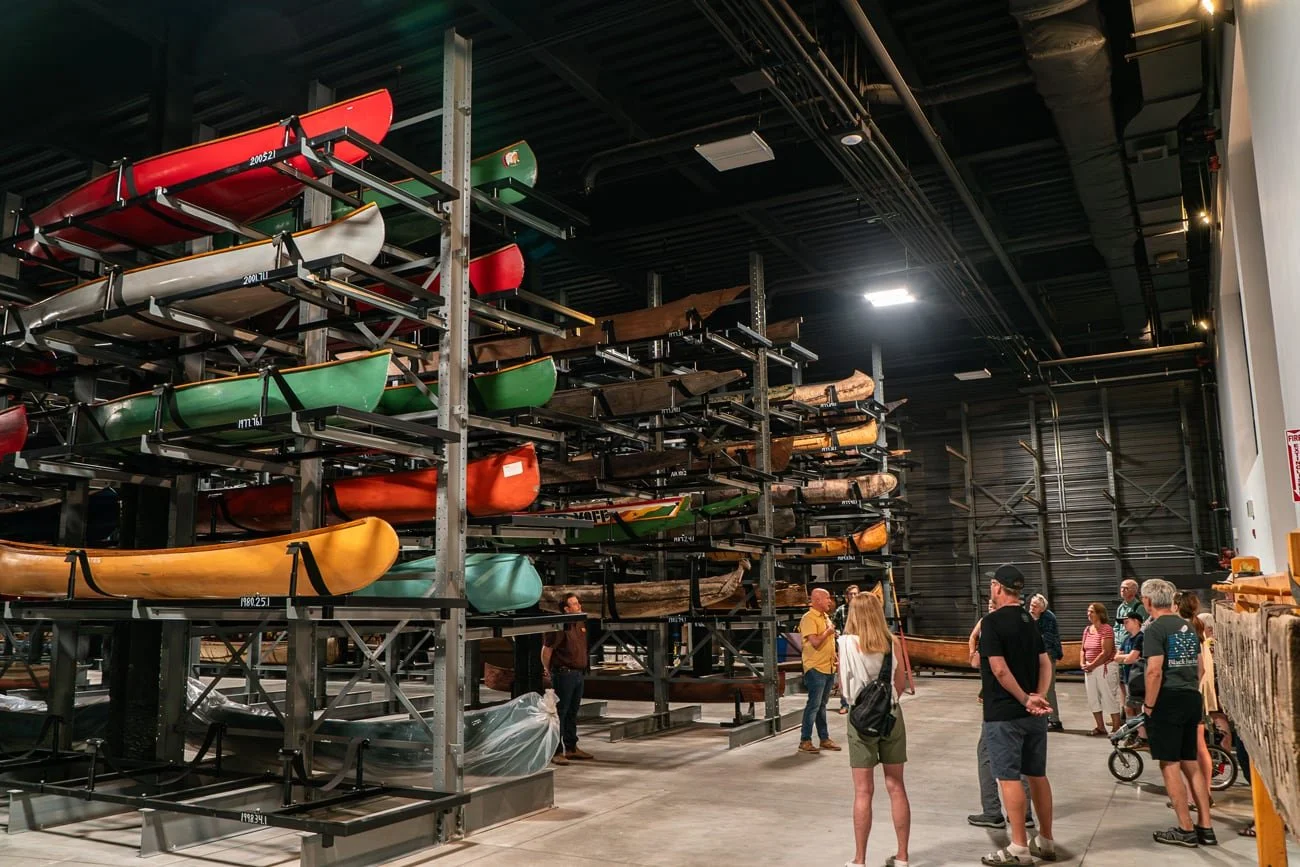
The Collection Hall itself becomes part of the public experience. Hundreds of watercraft are stored on custom racks within a Class A controlled environment, giving visitors a direct view into the scale and depth of a collection that was previously largely hidden from view.

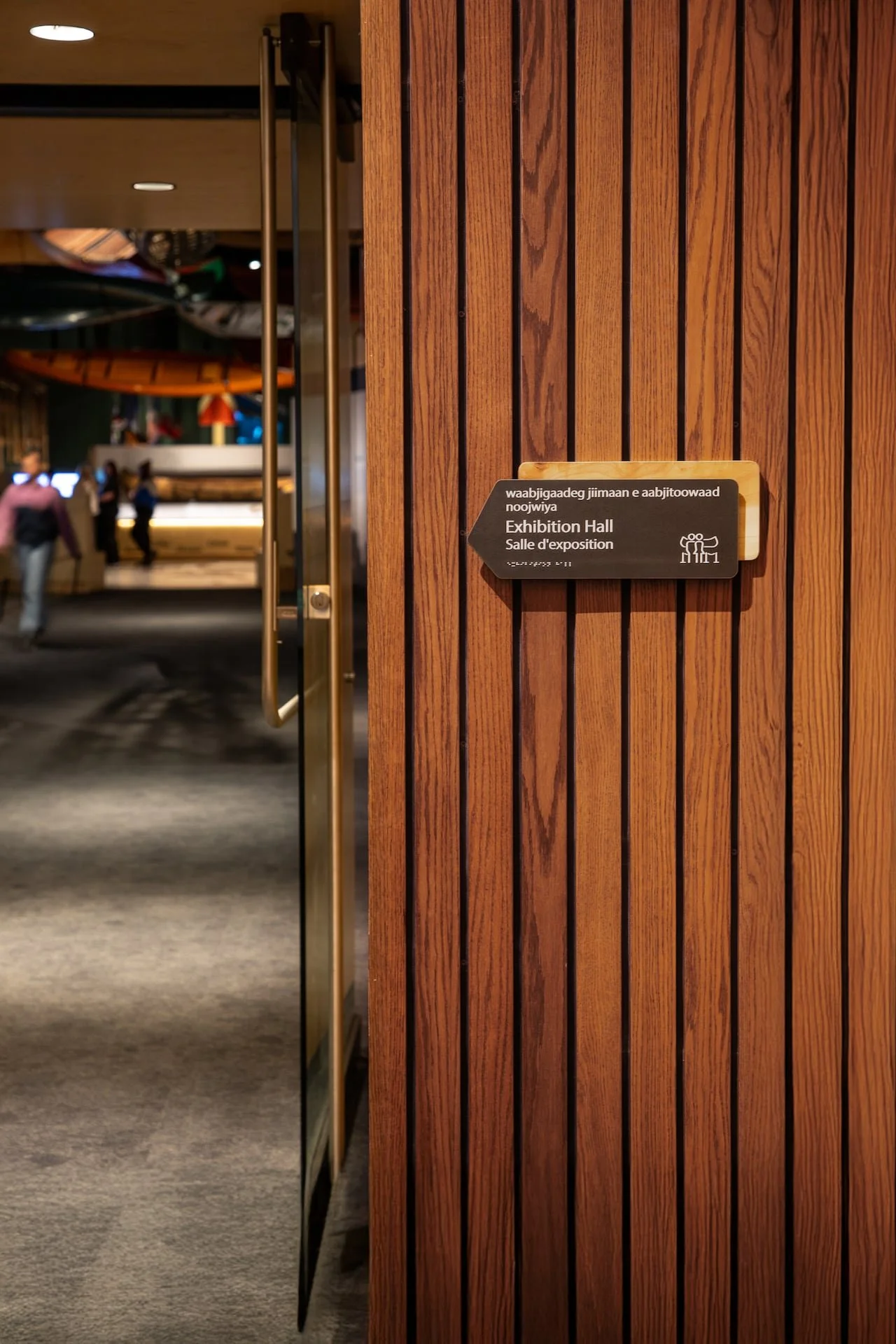
Architecture, exhibition and wayfinding are coordinated as one experience. Routes are clear without being overly prescribed, allowing people to move, gather, pause, observe and discover the collection at their own pace.
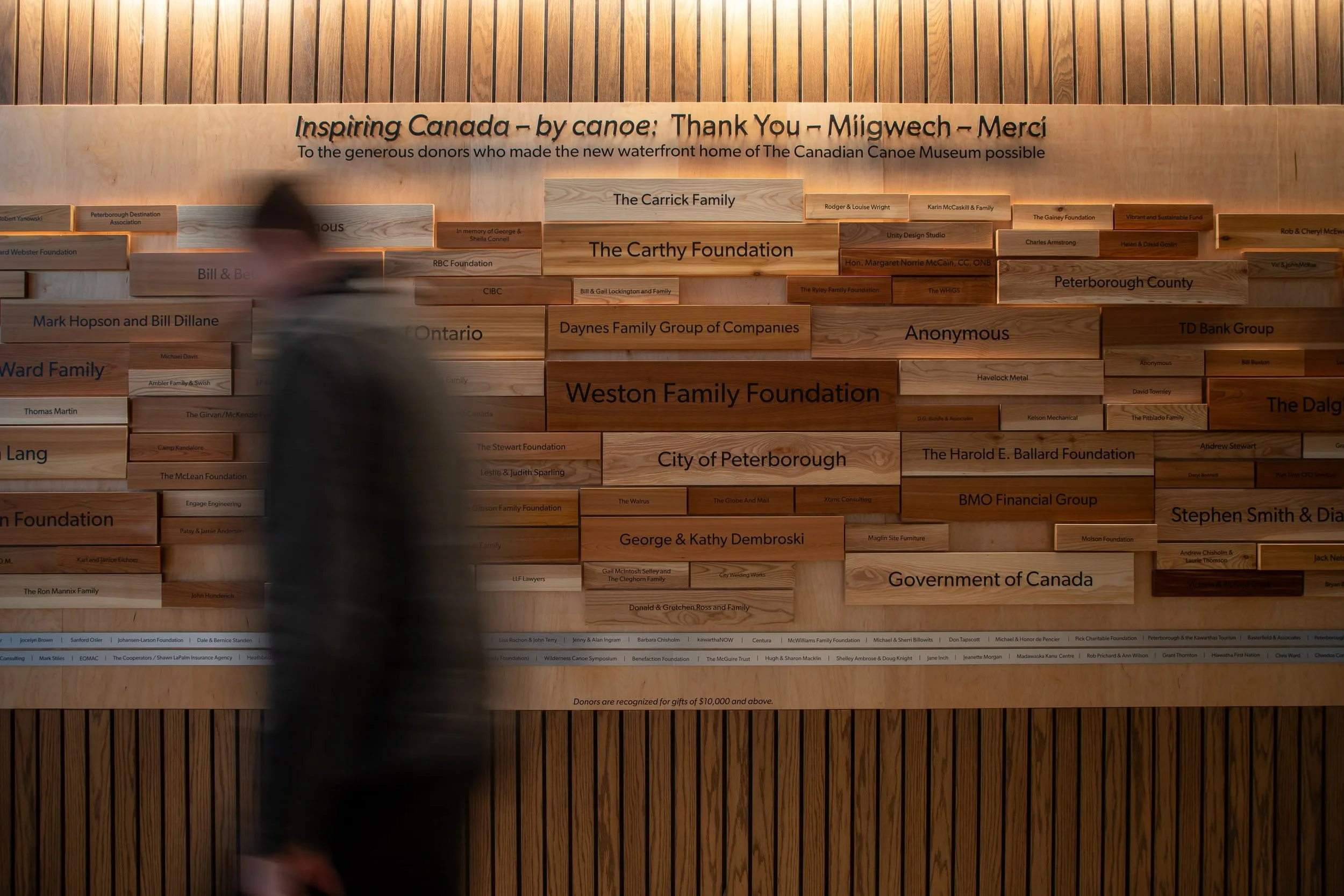
Wayfinding and interpretation incorporate English, French and Michi Saagiig Anishnaabemowin, while spaces throughout the Museum support cultural gathering and ceremony.
From land to water
The relationship to Little Lake is fundamental to the project. Public spaces open toward the water, while paths, gathering areas and outdoor programming extend the Museum into the surrounding landscape.
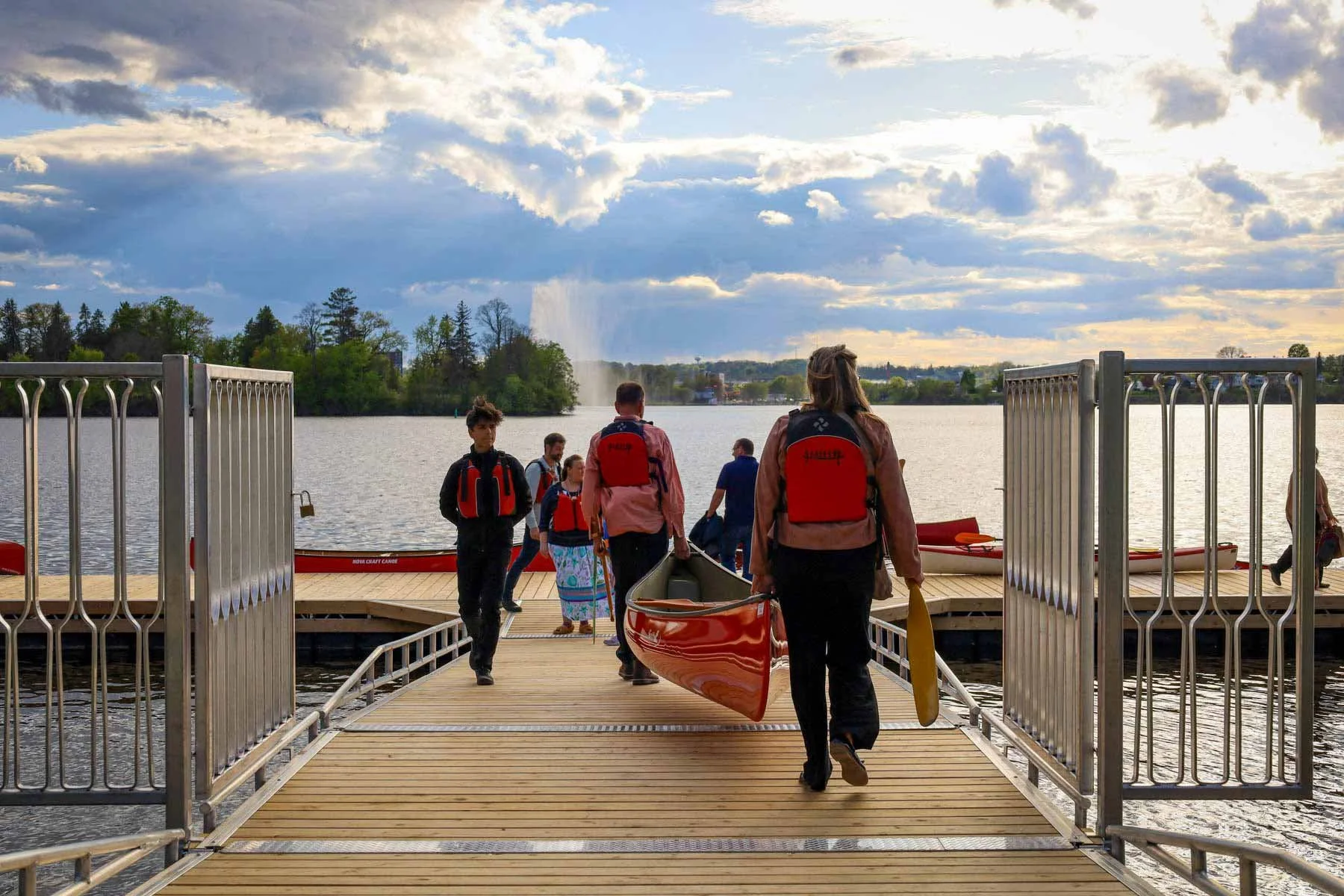
At the shoreline, the Canoe House supports learning, equipment storage and paddling programs, with direct access to two fully accessible docks. Visitors can move from encountering the canoe as an artifact to experiencing it on the water.
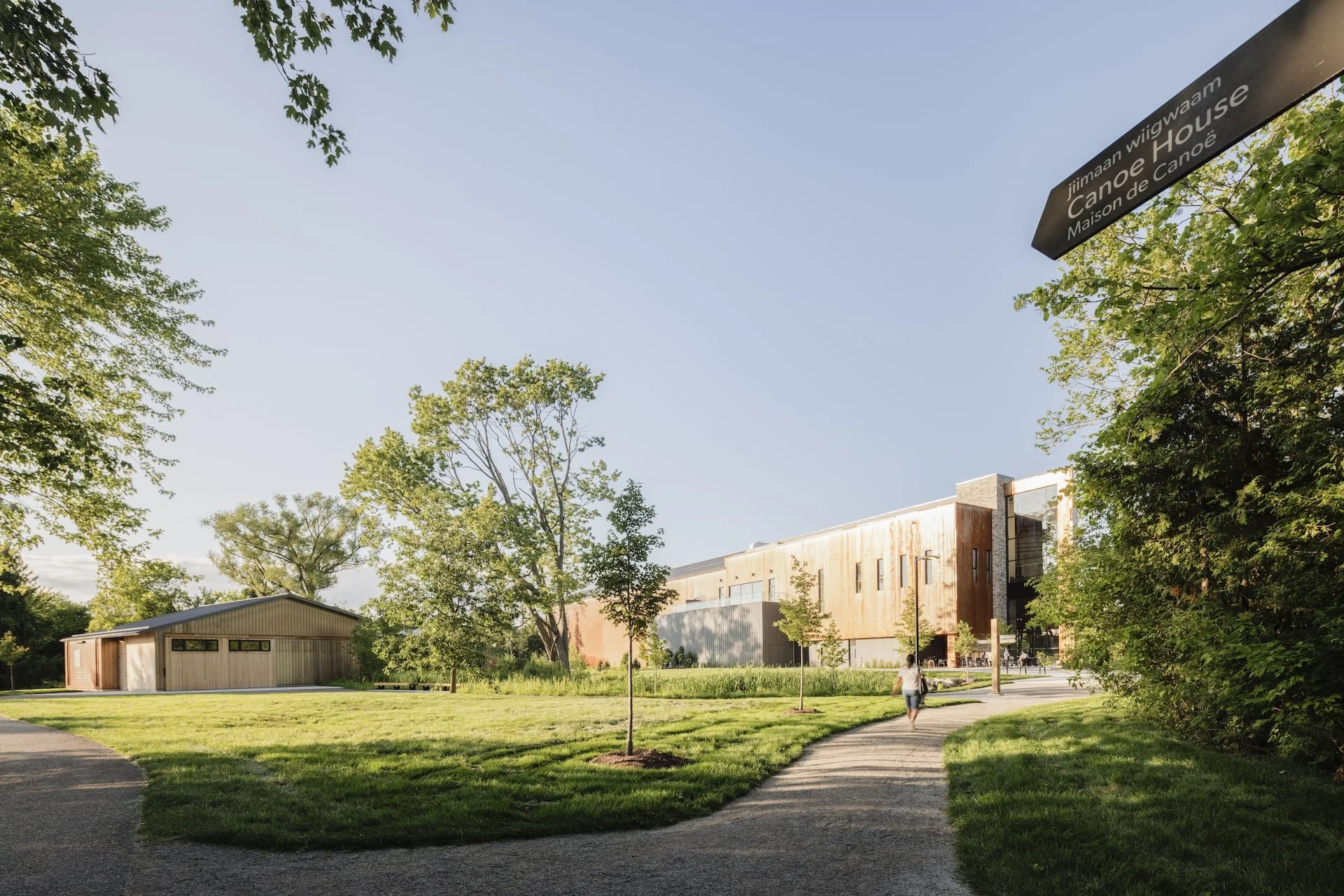
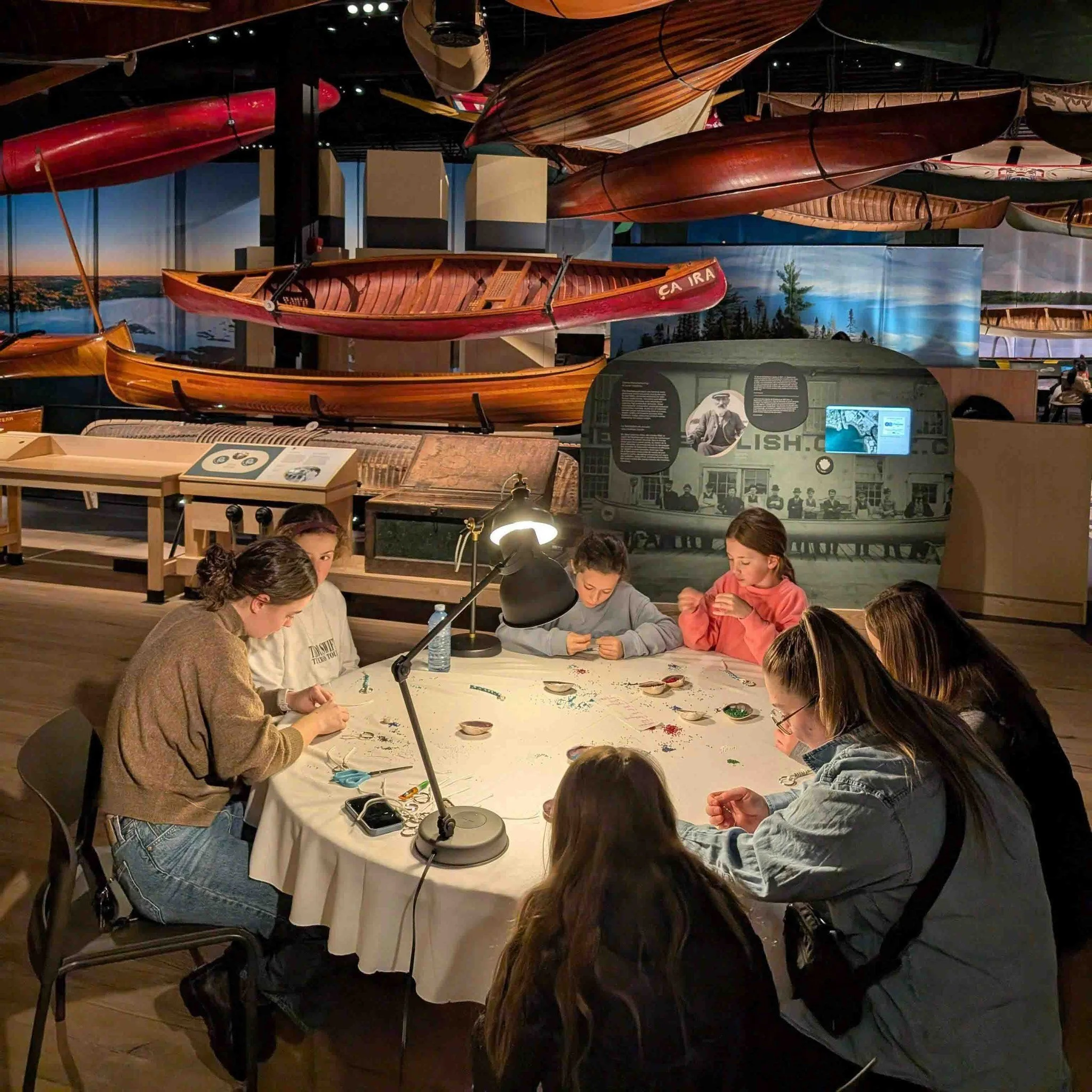
For the first time in the Museum’s history, the collection and the activity it represents occupy the same place.
Indigenous knowledge and perspectives are embedded throughout the building and visitor experience. Indigenous advisors and community representatives helped shape the architecture, exhibitions, landscape, language and approach to ceremony.
Built through collaboration
The project was delivered through Integrated Project Delivery bringing the owner, architect, constructor, consultants and key trade partners into a shared decision-making process.
That structure became especially important after the Museum’s earlier site and design had to be abandoned. The project was reimagined within a constrained budget and compressed timeline, requiring design quality, conservation requirements, cost and constructability to be resolved together rather than sequentially.
The result is an architecture of discipline rather than excess. Structure, material and movement are carefully distilled, allowing the building to amplify the collection rather than compete with it.
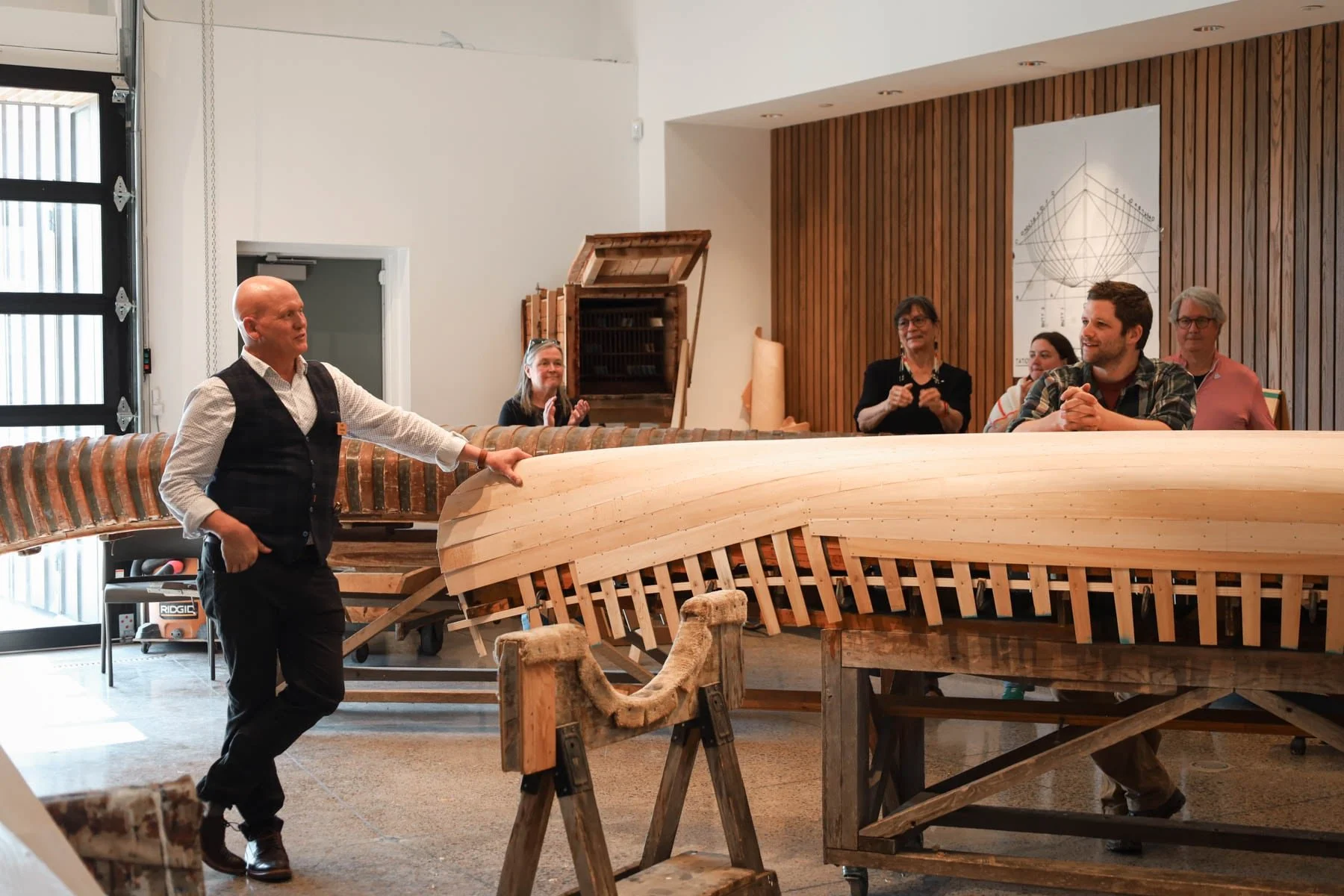
The Museum does more than protect an extraordinary collection. It reconnects the canoe to the water, makes more of the collection visible and accessible, and creates a place where culture can be experienced through objects, stories, making and direct participation. In doing so, the architecture extends the ingenuity, elegance and cultural significance of the canoe into the experience of the building itself.
Have Questions?